

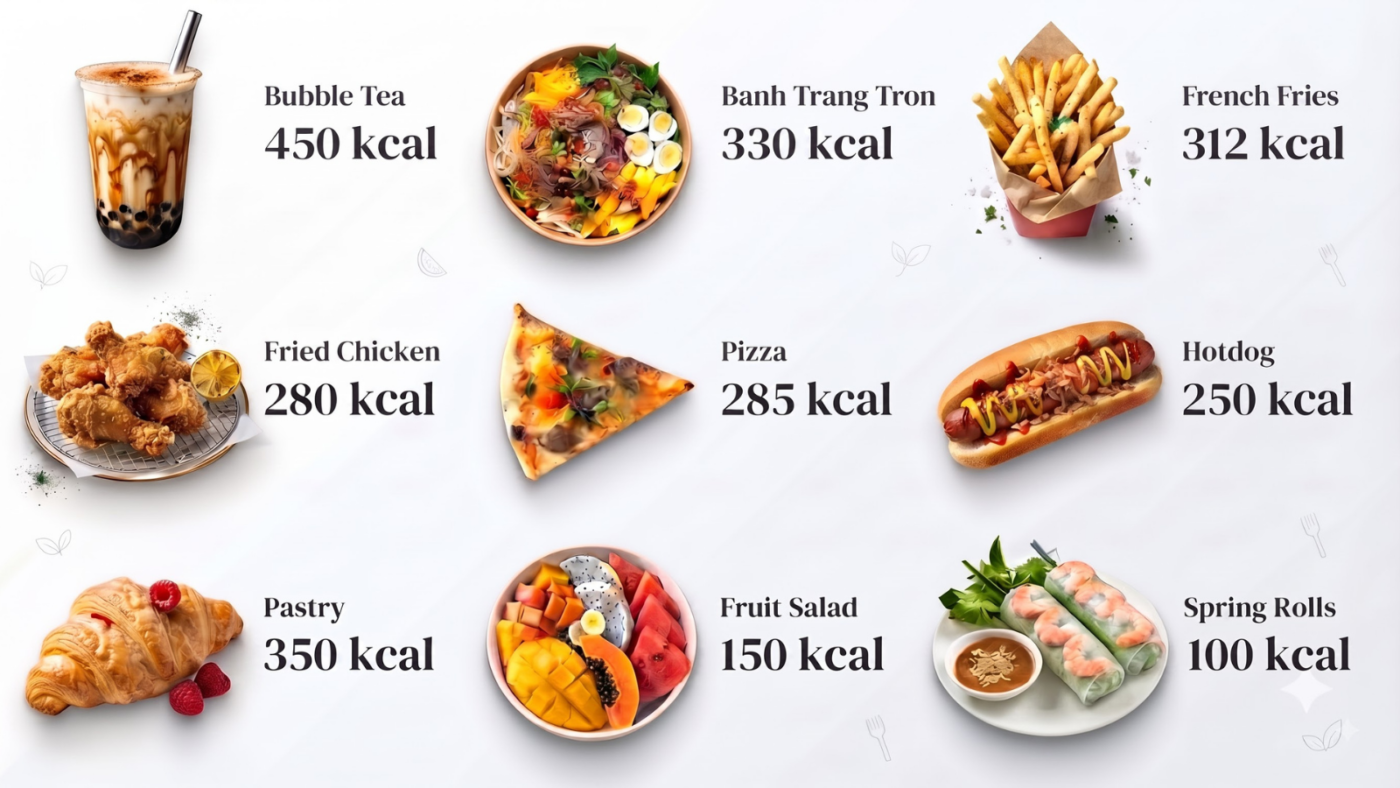
Shocking Truth Behind Popular Office Snack Calories
Many employees assume afternoon bites are completely harmless micro-meals. As a result, tracking total daily energy intake gets easily overlooked.
Nutrition experts emphasize that ideal healthy office snacks should range between 150 and 200 kcal strictly. This range restores mental focus without causing unwanted fat accumulation.
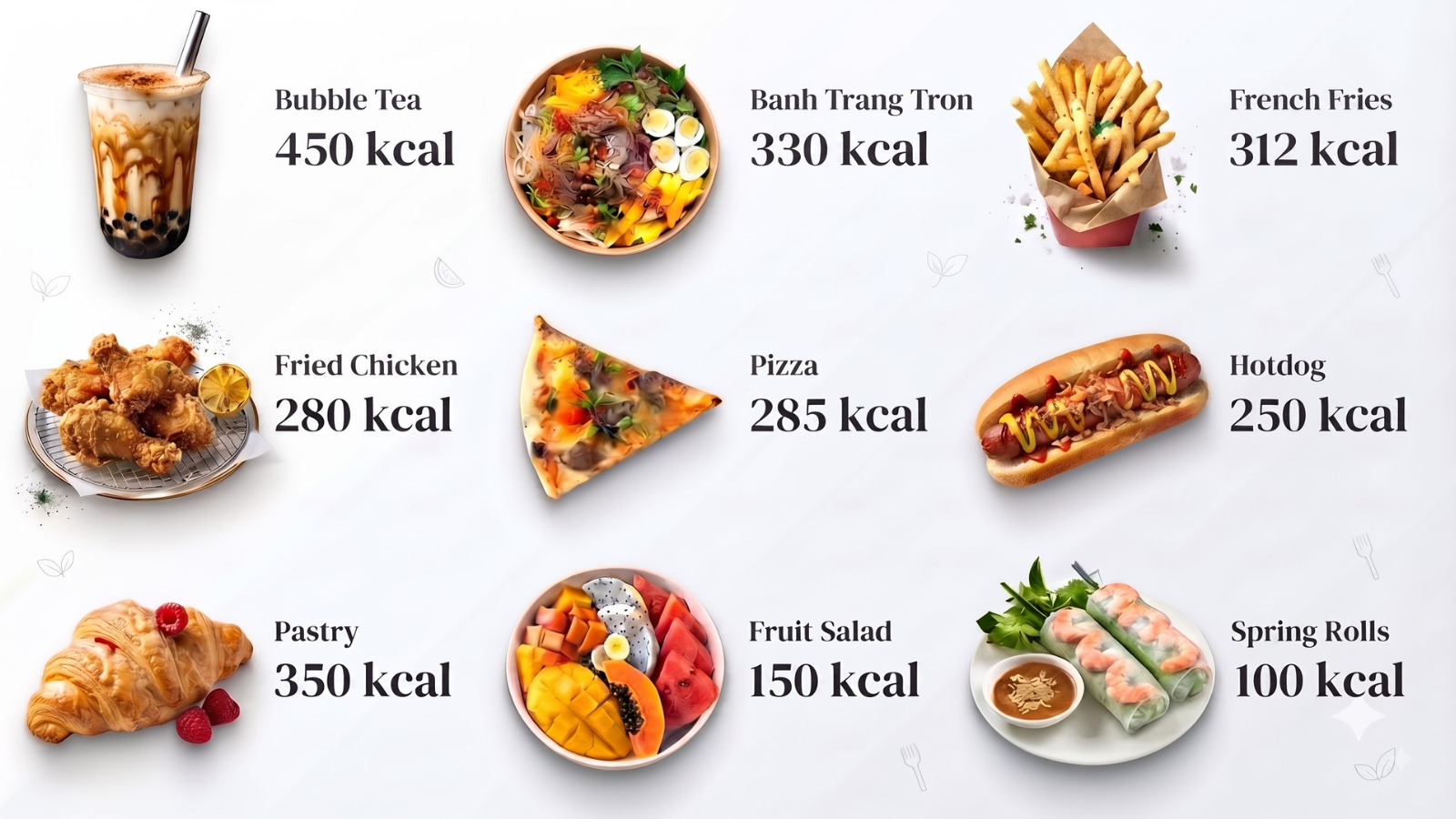
A classic combination of boba milk tea and potato chips easily adds up to 800 kcal. This single break equals the entire calorie count of a standard main meal.
If you are on a weight-loss diet, switching to low-calorie office snacks is essential. Smart swaps like nuts and fresh fruits protect your waistline effortlessly.
Secrets to Choosing Low-Calorie Office Snacks for Weight Management
Mastering smart eating habits prevents you from worrying about excess office snack calories. These simple guidelines help maintain a lean physique while keeping productivity high.
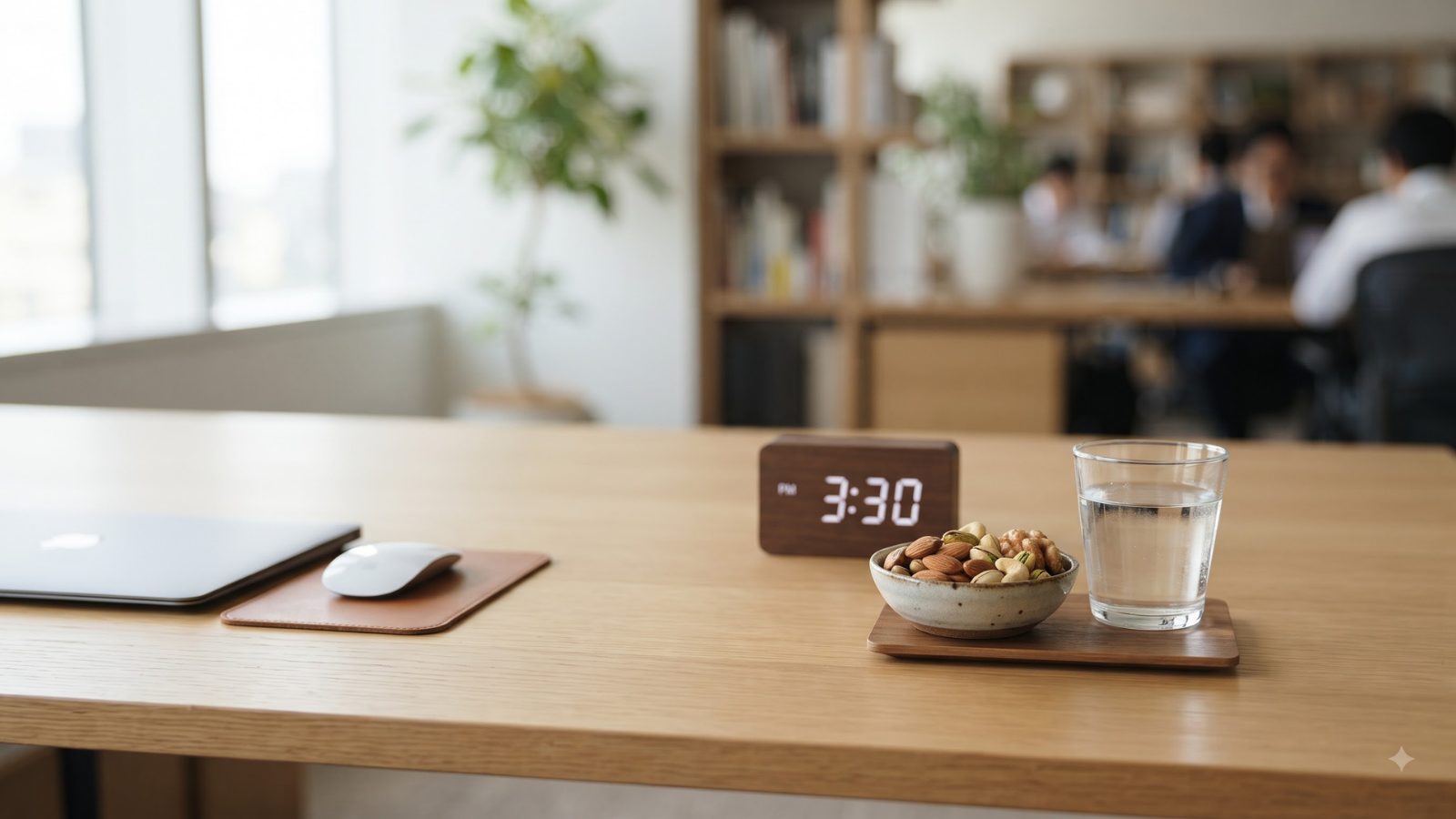
1. Eat healthy office snacks at the golden hours to prevent fat storage
Selecting optimal times for healthy office snacks directly impacts energy metabolism. Midday nourishment stabilizes blood sugar and stops overeating at dinner.
The ideal windows for healthy office snacks are 9:30 – 10:00 AM and 3:00 – 4:00 PM. Eating too late after work forces unused energy to be stored as visceral fat.
2. Prioritize protein and fiber from nutrient-dense tree nuts
Research shows protein and fiber extend feelings of fullness significantly. This strategy forms the core foundation of a successful office weight loss diet.
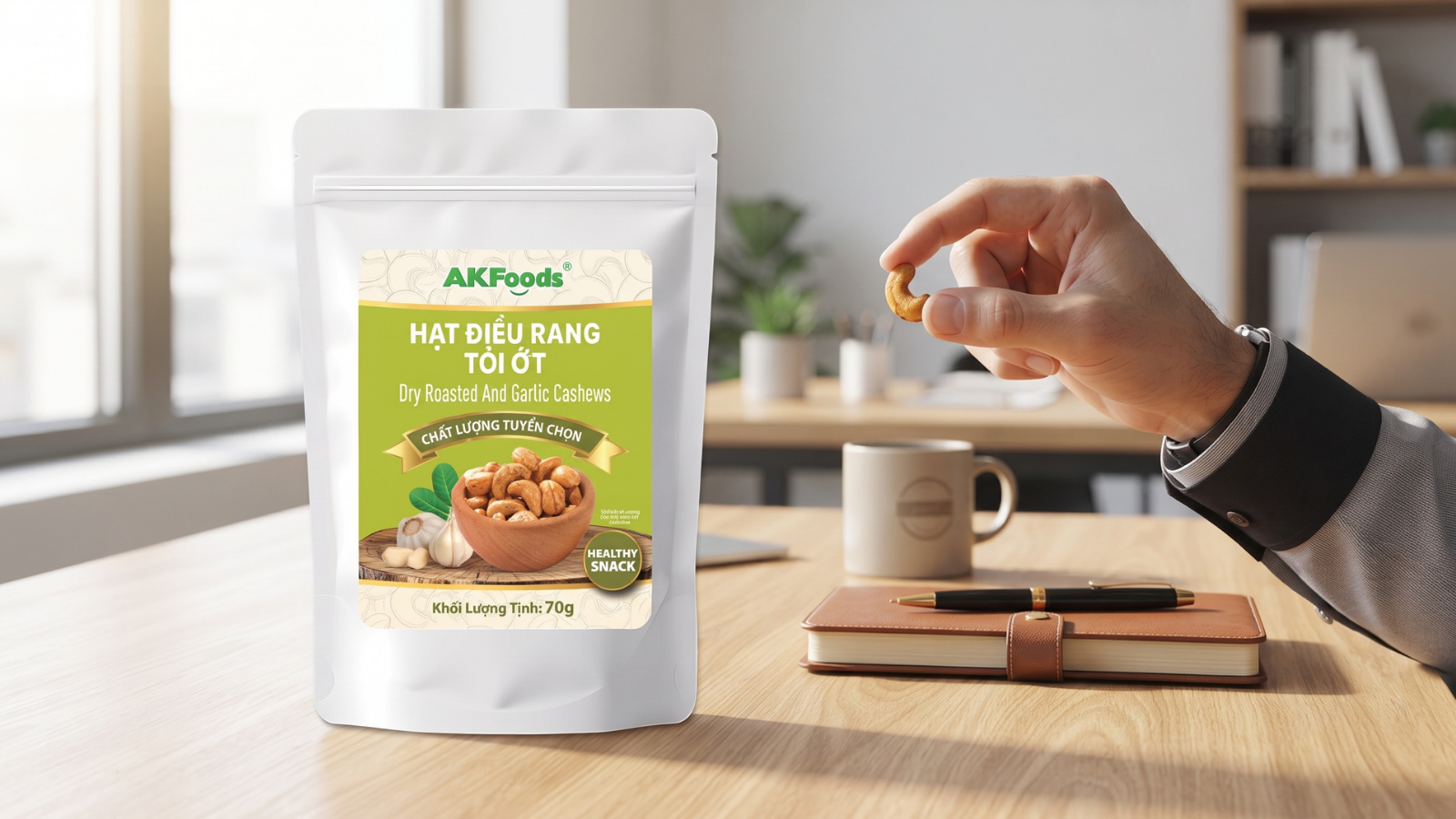
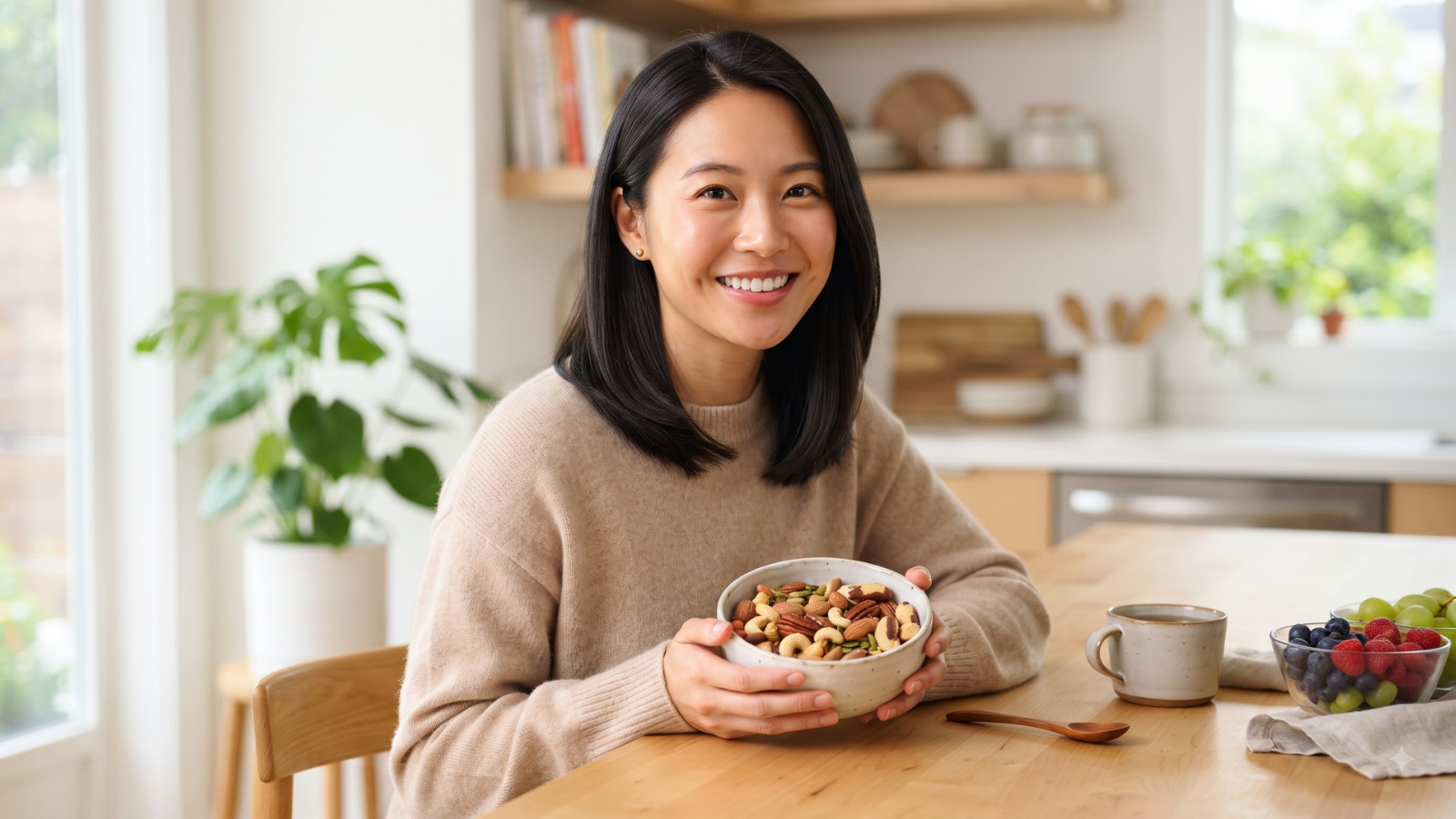
Swap sugary pastries for low-calorie office snacks like raw cashews, almonds, or walnuts. Many professionals frequently ask, are cashews fattening for desk workers?
In reality, natural cashew calories fit comfortably within a balanced diet. Their healthy unsaturated fats nourish your heart while keeping hunger away.
3. Stop eating healthy office snacks while staring at screens
Multi-tasking while eating distracts your brain from recognizing fullness signals. Consequently, you consume far more office snack calories than your body actually requires.
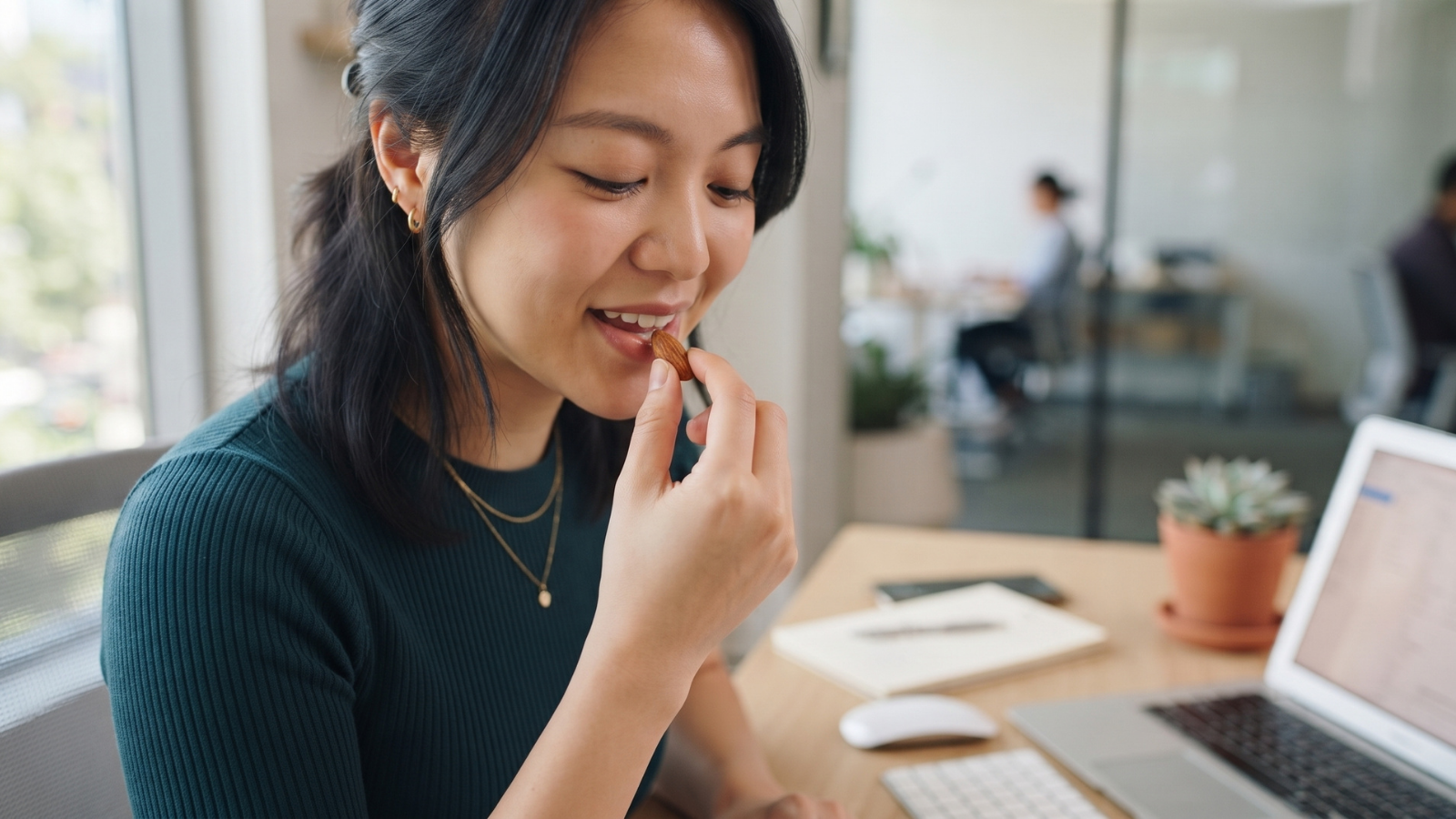
Take 5 to 10 minutes away from your screen to chew slowly. Mindful healthy snacking gives you full control over your daily intake.
4. Say no to empty calories and pre-portion your servings
Ultra-processed snacks offer empty calories loaded with refined sugar and bad fats. They cause sudden blood sugar spikes, followed by energy crashes and intense cravings.
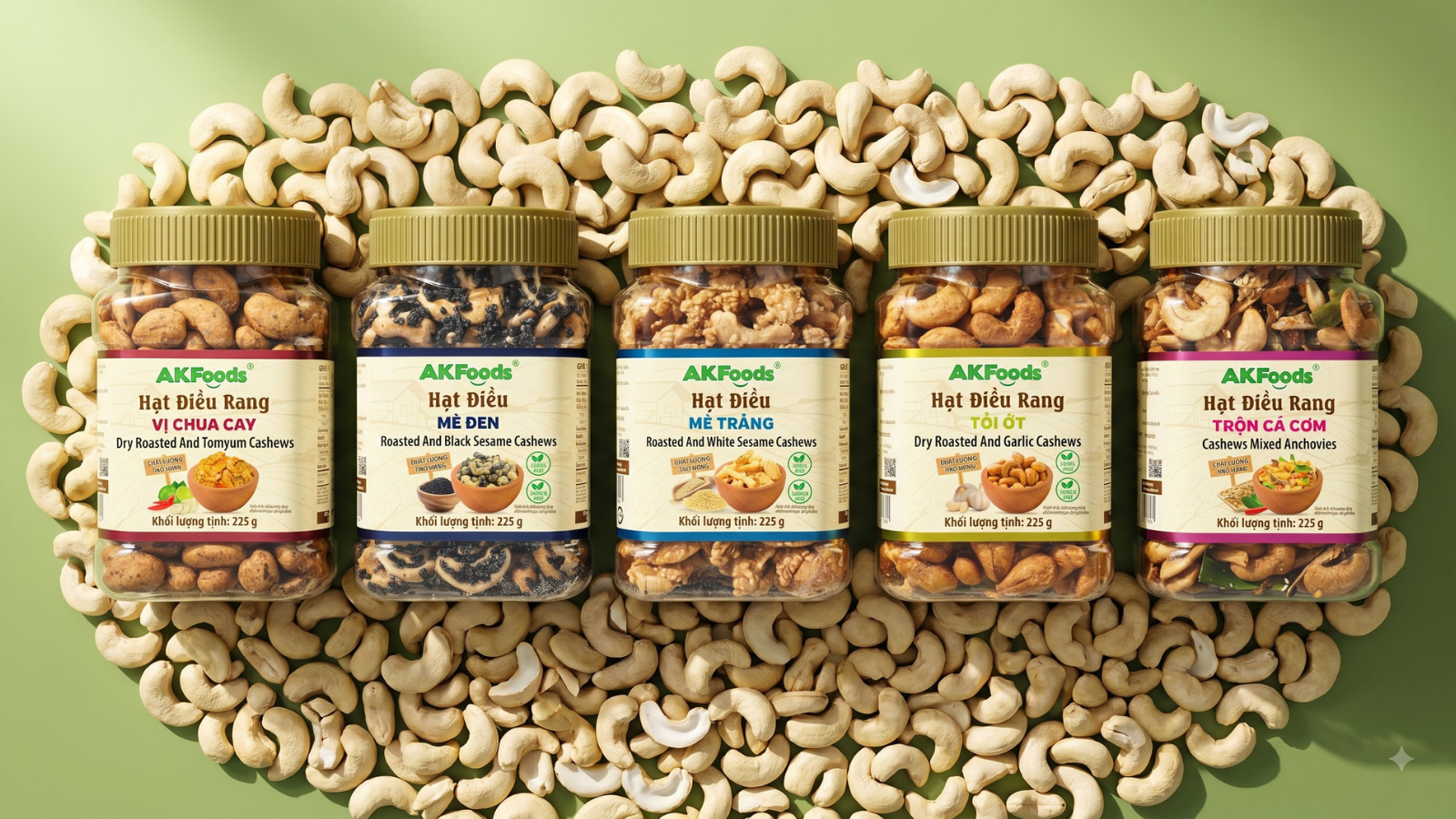
Upgrade to clean office snacks from a trusted brand to protect your wellness. Pre-portion healthy office snacks into 150 kcal containers instead of eating from large bags.
5. Cashews: The ultimate smart choice for healthy snacking
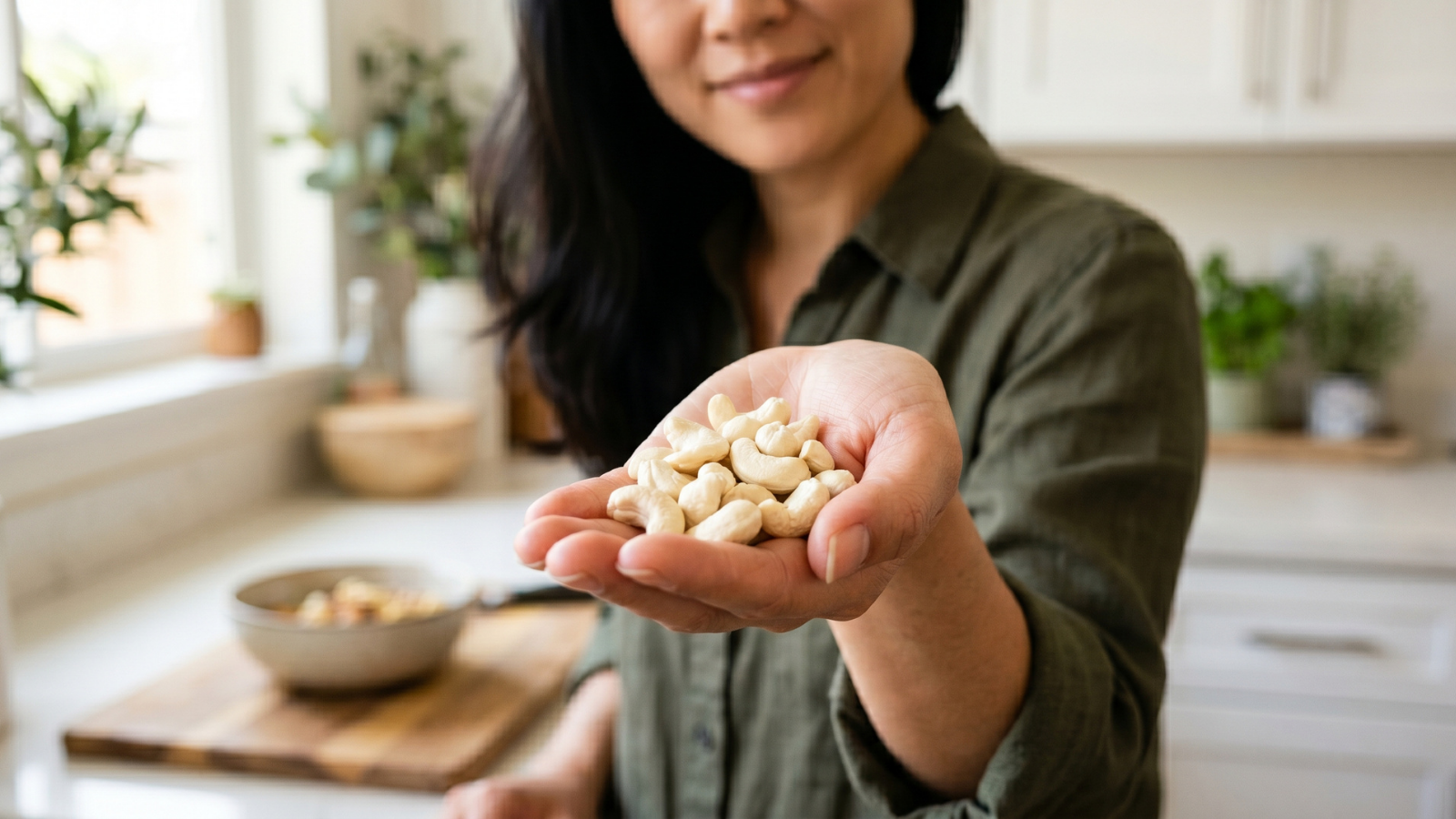
If you wonder whether cashews are fattening, 28 grams of dry-roasted cashews contain only 157 kcal. They serve as outstanding healthy office snacks due to these key benefits:
- Oleic Acid: Accelerates metabolic rates to support natural fat burning.
- Protein & Fiber: Maintains satiety and prevents cravings for unhealthy junk food.
Premium Dry-Roasted Cashews from AKFoods
AKFoods is a leading choice for professionals seeking premium clean office snacks. Our oil-free, dry-roasted cashews come in airtight jars that leave no lingering odors in air-conditioned spaces.
Understanding total office snack calories is your first step toward achieving your ideal body. Swap empty calories for low calorie office snacks that fuel your success!
❓ Frequently Asked Questions (FAQ)
1. How many grams of cashews should office workers eat daily without gaining weight?
The optimal serving size is 28g to 30g daily (about 15 to 18 nuts). This amount satisfies energy needs without exceeding your target office snack calories.
2. Are flavored cashews higher in calories than plain dry-roasted cashews?
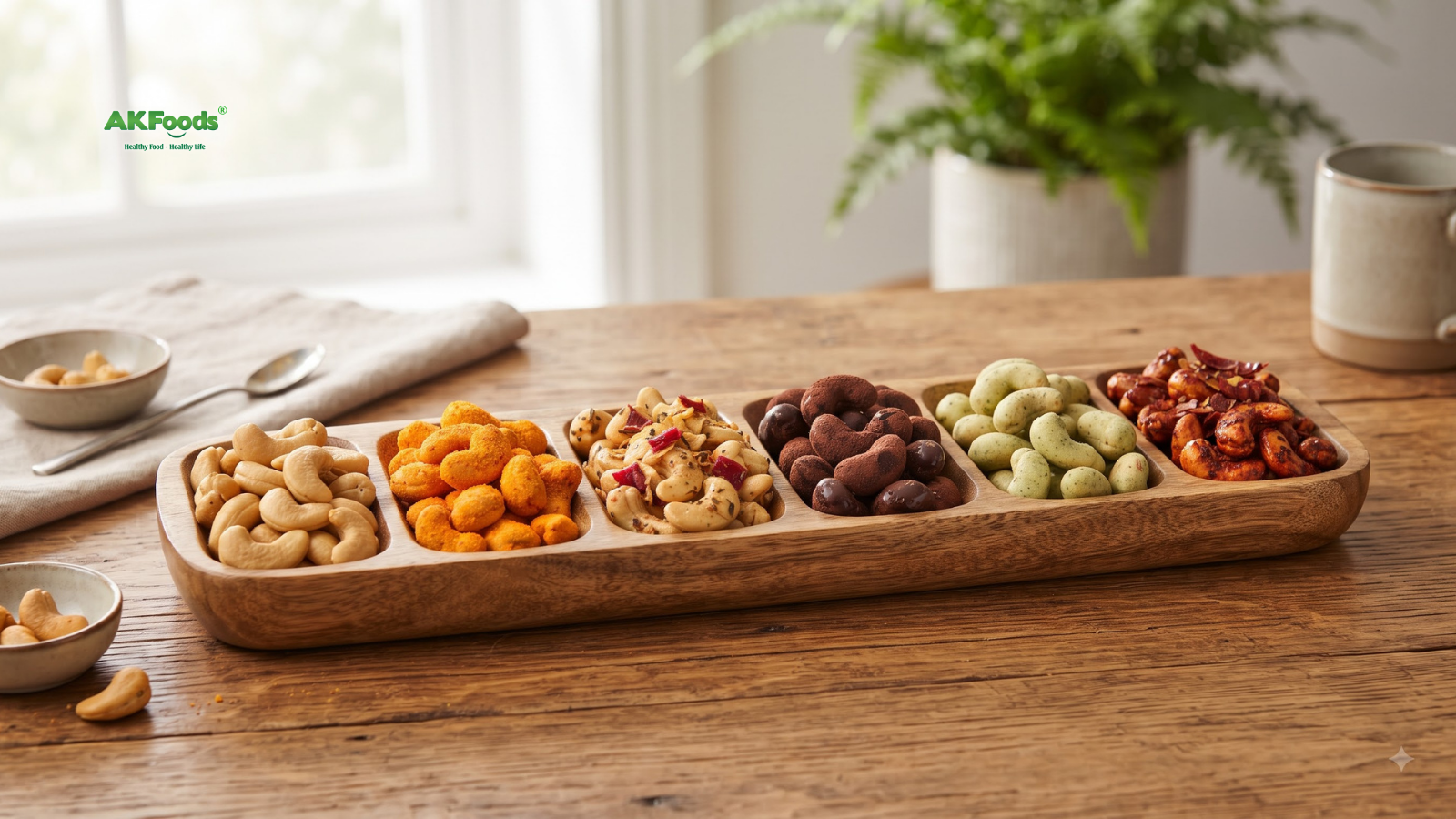
Flavored varieties contain slightly higher calories due to added seasonings. However, AKFoods keeps them low in oil, making them great healthy office snacks.
3. What is the best time to consume healthy office snacks for weight loss?
Enjoy healthy office snacks during mid-morning (9:30 AM) or mid-afternoon (3:00 PM) breaks. This timing curbs appetite and prevents overeating during dinner.